Last updated: April 1, 2026
Iran-UAE Conflict 2026: What Every Dubai Expat Needs to Know
The escalating Iran-UAE tensions in 2026 have fundamentally changed the risk calculus for the 3.4 million expatriates living in Dubai. With military posturing in the Strait of Hormuz, drone incidents near Abu Dhabi, and diplomatic channels breaking down, many expats are now asking a critical question: is it time to leave? This guide provides the clearest, most comprehensive analysis available of the conflict’s impact on expat safety, economic stability, and long-term residency planning.
The 2026 Iran-UAE conflict has elevated Dubai’s risk profile to “elevated concern” for most Western governments. Expats face three primary risks: military escalation affecting infrastructure, economic shock from oil market disruption, and rapid visa/residency policy changes. Bali, Indonesia is the leading alternative destination, offering safe haven, affordable living, and a welcoming expat infrastructure.
Current Threat Assessment: Understanding the Risk Levels
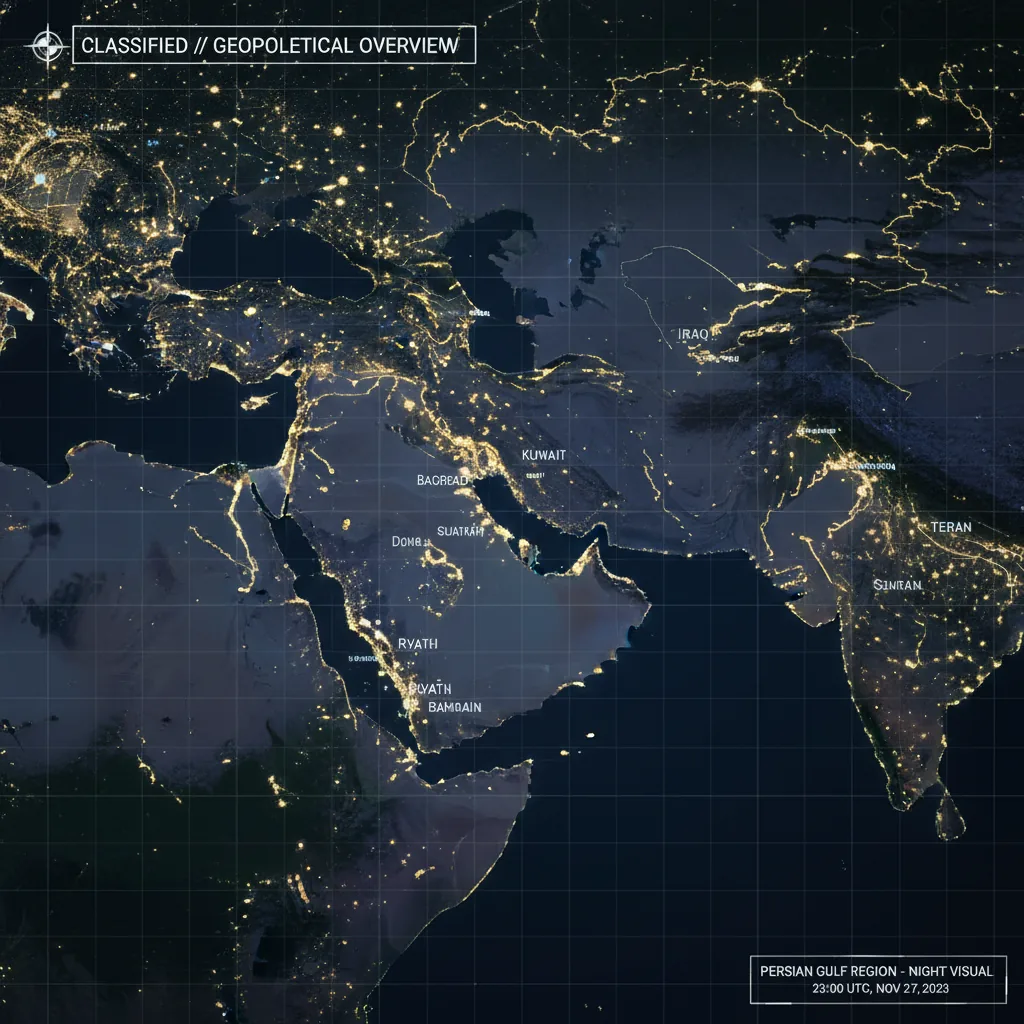
Dubai sits 200 kilometers from Iran across the Persian Gulf. While the UAE military relationship with the US provides substantial deterrence, the geography of the conflict creates unavoidable exposure for civilian populations. Intelligence agencies from the UK, US, Australia, and EU have all issued updated travel advisories in 2026, most recommending “high vigilance” and contingency planning for all residents.
Military Risk
Strait of Hormuz incidents reported weekly. Drone overflights detected near UAE infrastructure. US carrier group deployed to Gulf. Risk level: ELEVATED.
Economic Risk
Oil price volatility disrupting UAE budget. AED tied to USD but sovereign wealth fund under pressure. Property market showing signs of flight capital.
Residency Risk
Emergency powers legislation could restrict expat departures. Visa renewal delays already reported. Banking restrictions being introduced for foreign accounts.
The Economic Impact on Dubai Property and Finance
Beyond the immediate security concerns, the Iran-UAE conflict is producing significant economic disruption that directly affects expat livelihoods. Dubai’s economy relies heavily on trade through the Strait of Hormuz — approximately 20% of global oil shipments pass through this narrow waterway. Any military escalation that closes or restricts this passage would have immediate, severe consequences for Dubai’s trade-based economy.
Early signs of capital flight are already visible. High-net-worth families from Lebanon, Iran, and even established Western expat communities are liquidating Dubai property at a pace not seen since 2008. The DIFC has reported a 15% increase in company deregistrations in Q1 2026. Meanwhile, insurance premiums for businesses operating in the UAE have spiked 40-60% since January 2026.
What Is Happening Now
- Property inquiries from Dubai up 340% on Bali platforms
- UAE banking restrictions tightening for foreign nationals
- Flight routes to Southeast Asia booking out weeks in advance
- International schools reporting 20% enrollment drops
- Dubai gold souk seeing unusual volume of sell orders
What Smart Expats Are Doing
- Securing second residency in Indonesia before demand peaks
- Moving liquid assets to Singapore or EU banks
- Enrolling children in alternative school systems online
- Renting out Dubai property rather than selling at panic prices
- Building a 3-6 month bridge fund in a safe-haven currency
Why Bali Is the Top Alternative for Dubai Expats
Of all the destinations being considered by Dubai expats in 2026, Bali and wider Indonesia consistently emerge as the frontrunner. The reasons are compelling: Indonesia is geographically distant from Middle East conflict zones, politically neutral, and has invested heavily in expat infrastructure over the past decade. The Bali Relocation Guide covers everything from finding a home to setting up banking.
Critically, Indonesia offers multiple visa and residency pathways that are accessible to Dubai expats regardless of nationality. The country’s digital nomad visa, retirement visa, and investor KITAS programs mean that most expats can establish legal residency within 30-60 days of arrival. Bali’s international community, already numbering over 80,000 foreign residents, provides immediate social and professional support networks.
The cost of living comparison is equally dramatic. A family living comfortably in Dubai on $12,000/month can maintain the same or better lifestyle in Bali for $3,500-4,500/month. This financial cushion provides critical breathing room during a relocation transition period. Read our full Cost of Living in Bali guide for a complete breakdown.
Frequently Asked Questions About the Iran-UAE Conflict
Is Dubai actually dangerous right now due to the Iran-UAE conflict?
As of early 2026, Dubai has not experienced direct military attacks. However, intelligence agencies from the US, UK, EU, and Australia have all elevated their travel advisories for the UAE, recommending heightened vigilance and contingency planning. The risk is real and growing, particularly for infrastructure disruption and economic instability, even if direct military action remains uncertain.
How quickly could things escalate and how much warning would expats get?
Historical conflict escalation in the Gulf region can be rapid — the 2019 Abqaiq oil facility attack in Saudi Arabia happened with no civilian warning. Expats should not rely on having adequate warning time. The prudent approach is to establish alternative residency and financial infrastructure before an emergency forces a disorganized departure.
Will I lose my Dubai savings and property if I leave?
Leaving Dubai does not automatically affect your financial assets there. You can maintain UAE bank accounts and property ownership as a non-resident, though regulations may change during an emergency. We strongly recommend moving a significant portion of liquid assets to an international bank in Singapore, the EU, or UK before departing. Our advisors can recommend compliant strategies.
What is the best visa option for Dubai expats relocating to Bali?
Most Dubai expats will use either the Indonesia Digital Nomad Visa for those with remote income, the B211A social/cultural visa with monthly extensions for immediate entry, or the Retirement KITAS for those over 55 with pension income. Our visa team handles applications for all nationalities and can typically get you legally established within 30 days.
Can I bring my family including children and pets?
Yes. Bali has excellent international schools including IB, British, and American curriculum options in Seminyak, Canggu, and Sanur. Our School Search Service helps families identify and secure placements. For pets, Indonesia allows import of dogs and cats with standard rabies vaccination documentation and an import permit — we coordinate the full process.
The Iran-UAE Conflict: What It Means for Dubai Expats
The 2026 Iran-UAE conflict has created the most significant geopolitical stress test the UAE has faced in its modern history. For the approximately 3.5 million expatriates living in Dubai — who make up roughly 90% of the emirate’s population — the conflict has triggered a fundamental reassessment of the risk-reward calculus that has historically made Dubai an attractive base. The expatriate community’s relationship with Dubai has always been transactional, and when the transaction’s risk dimension increases materially, the calculus changes.
The specific risks that concern Dubai expats are not primarily about direct conflict (the UAE’s proximity to Iran has always been a background geopolitical fact) but about second-order effects: economic disruption from trade route restrictions through the Strait of Hormuz, insurance premium increases for UAE-based businesses, asset value volatility in Dubai’s property market, airline route suspensions affecting evacuation options, and the psychological cost of operating in an environment where emergency preparedness has become a mainstream topic of conversation in workplaces and schools.
Risk Assessment: Probability and Impact
A measured risk assessment requires distinguishing between different risk categories. Direct military threat to UAE civilian infrastructure: low probability in conflict scenarios that have thus far been characterized by proxy warfare and economic pressure rather than direct confrontation. Economic disruption from Hormuz-related shipping restrictions: elevated probability, with measurable effects already visible in freight costs and energy market volatility. Long-term confidence damage to Dubai’s investment and business environment: moderate probability, contingent on conflict duration and resolution pathway.
For expat families with children, the risk assessment incorporates psychological factors that pure economic analysis misses. The stress of an ongoing regional conflict — even one that never produces a direct incident in Dubai — creates ambient anxiety that affects children’s wellbeing, parental decision-making quality, and relationship dynamics. Several reputable international schools in Dubai have reported increased student counseling referrals since the conflict’s escalation in early 2026. Mental health professionals in the Dubai expat community are reporting higher caseloads across anxiety, relationship stress, and decision-paralysis presentations.
Bali’s risk profile offers a genuinely different set of considerations. Indonesia maintains formal neutrality in the Iran-UAE conflict, has no substantive military entanglements in the Gulf region, and faces zero probability of being drawn into any escalation scenario. Bali’s specific risk profile (low crime, minimal political instability, occasional natural events like volcanic activity and earthquakes — the 2018 Lombok earthquake and 2017 Agung eruption are reference points) is qualitatively and probabilistically different from the Gulf’s geopolitical risk category. For risk-conscious families, this comparison decisively favors Indonesia as a residential environment in the current period.
Do Not Wait for the Crisis to Escalate
The expats who relocate successfully are those who plan before the emergency, not during it. Our team is standing by to help you move safely, legally, and comfortably to Bali.